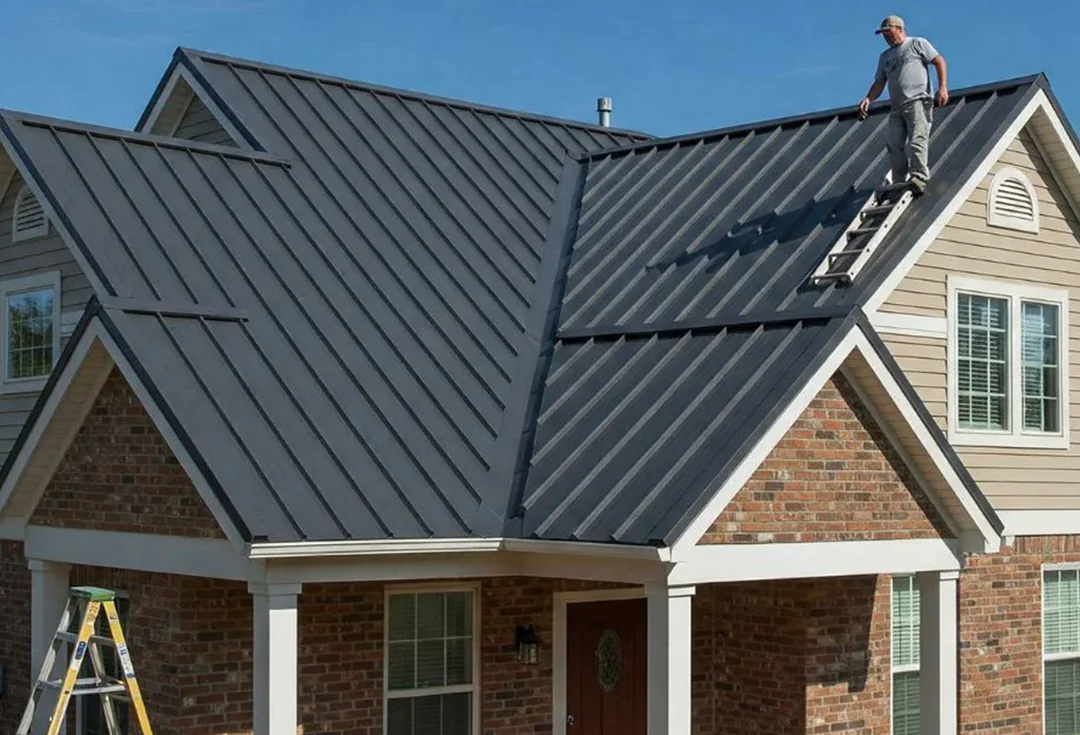
When a roof is nearing replacement, weather planning becomes part of the larger decision. The goal is not to predict one storm or make a blanket promise about performance. It is to make an organized decision about a complete roof system before repeated wet-weather exposure narrows scheduling options.
A new roof is a coordinated assembly. The visible roofing material matters, but so do the layers and transitions beneath it: the deck condition where accessible, underlayment, flashing, valleys, penetrations, ventilation, edges, and drainage strategy. The right system depends on the building, roof design, existing materials, and agreed scope.
What Complete Roof Preparation Covers
Roofing material and system selection
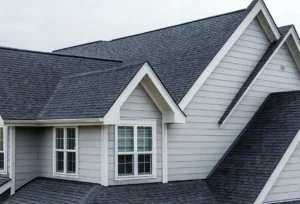
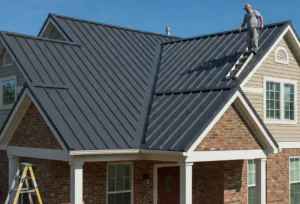
Asphalt shingles, tile, metal, TPO, PVC, modified bitumen, and other systems each have different installation details. Selection should account for roof slope, geometry, transitions, exposure, drainage, and the property owner’s long-term priorities. Product-specific claims should be used only when the selected system and manufacturer documentation are confirmed.
Water-shedding transitions
Valleys, chimneys, skylights, vents, walls, and other penetrations concentrate water movement. In a complete replacement project, these areas are planned as part of the whole assembly rather than as an afterthought. Proper integration of compatible underlayment and flashing components supports a more reliable finished system.
Drainage and ventilation
Water needs a deliberate route off the roof, particularly on low-slope and flat assemblies. On applicable sloped roofs, ventilation planning also needs to be considered in the context of the entire roof design. These details are not interchangeable; they should match the actual roof configuration.
When to Start the Conversation
Start before weather becomes the only reason for the conversation. Common replacement-planning factors include an aging roof, widespread wear, recurring trouble areas, prior layers or modifications, a change in use, or a desire to coordinate roof work with solar, siding, skylights, or other exterior improvements. An onsite assessment can determine what is visible and what additional work may need written authorization if discovered after tear-off.
Roofing Systems Imperia Installs
Imperia Roofing and Exteriors provides complete roofing replacement and installation for asphalt shingles, tile, metal, slate, TPO, PVC, and modified-bitumen systems. The final recommendation should be based on the actual building and project requirements, not a generic wet-weather claim.
Plan the Project with Fewer Unknowns
- Discuss material options, roof access, and the expected project sequence before scheduling.
- Confirm how skylights, solar coordination, chimneys, and other roof penetrations fit into the scope.
- Review the allowance and approval process for any concealed deck or substrate conditions discovered during demolition.
- Choose a complete roofing system that fits the roof design and the property owner’s priorities.
Schedule an appointment with Imperia Roofing and Exteriors to discuss complete roof replacement options for your Bay Area property.
Schedule an appointment: https://imperiare.com/schedule-an-appointment/
Frequently Asked Questions
Can a roof be replaced during the wet season?
Scheduling depends on forecast conditions, roof design, material requirements, and site conditions. Planning earlier can provide more flexibility, but the appropriate schedule is determined for the actual project.
Will every roof need the same underlayment and flashing details?
No. The correct assembly depends on the selected roofing system, roof geometry, transitions, and manufacturer requirements where applicable.