Low-slope roofing needs a system-specific plan
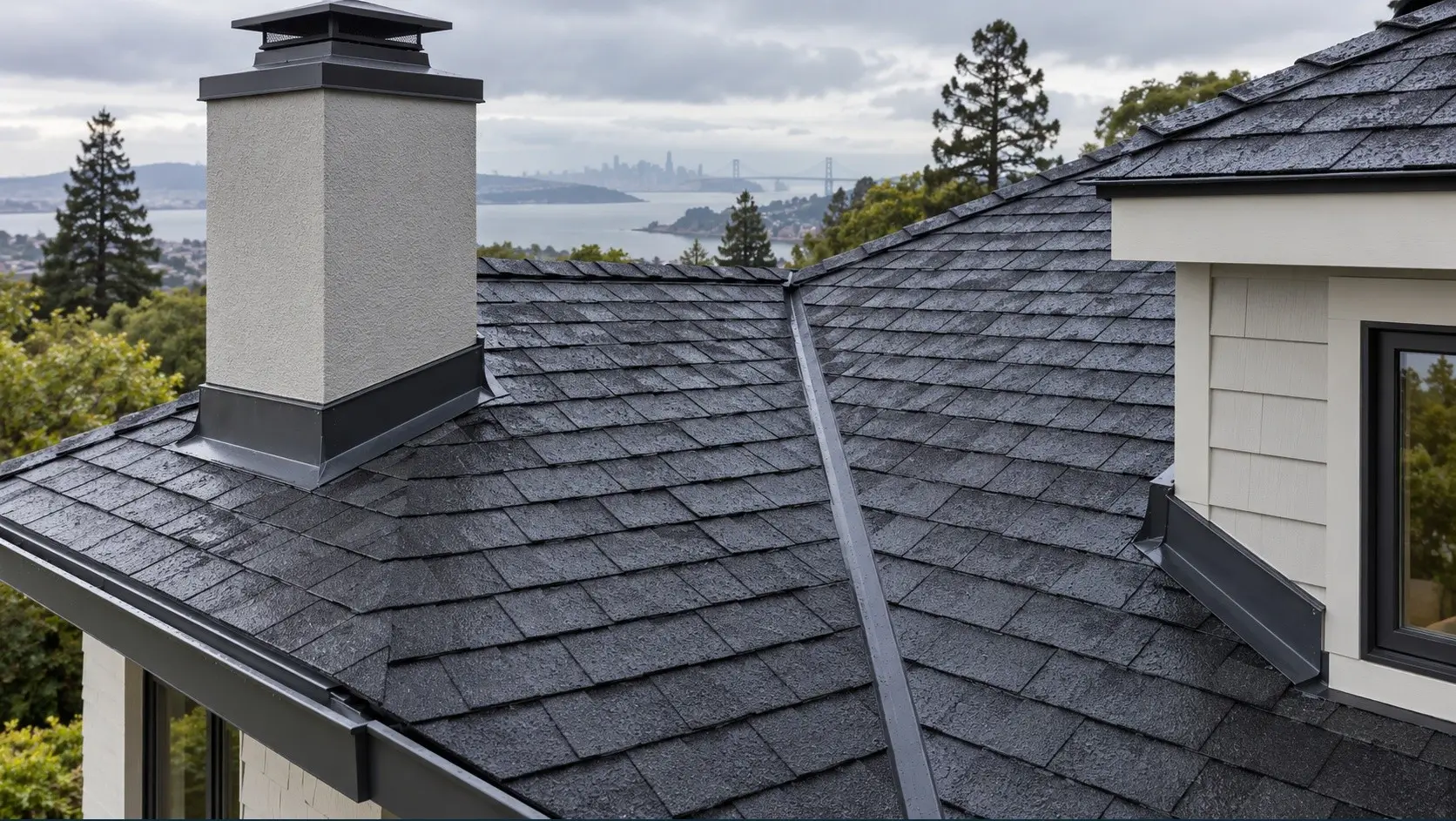
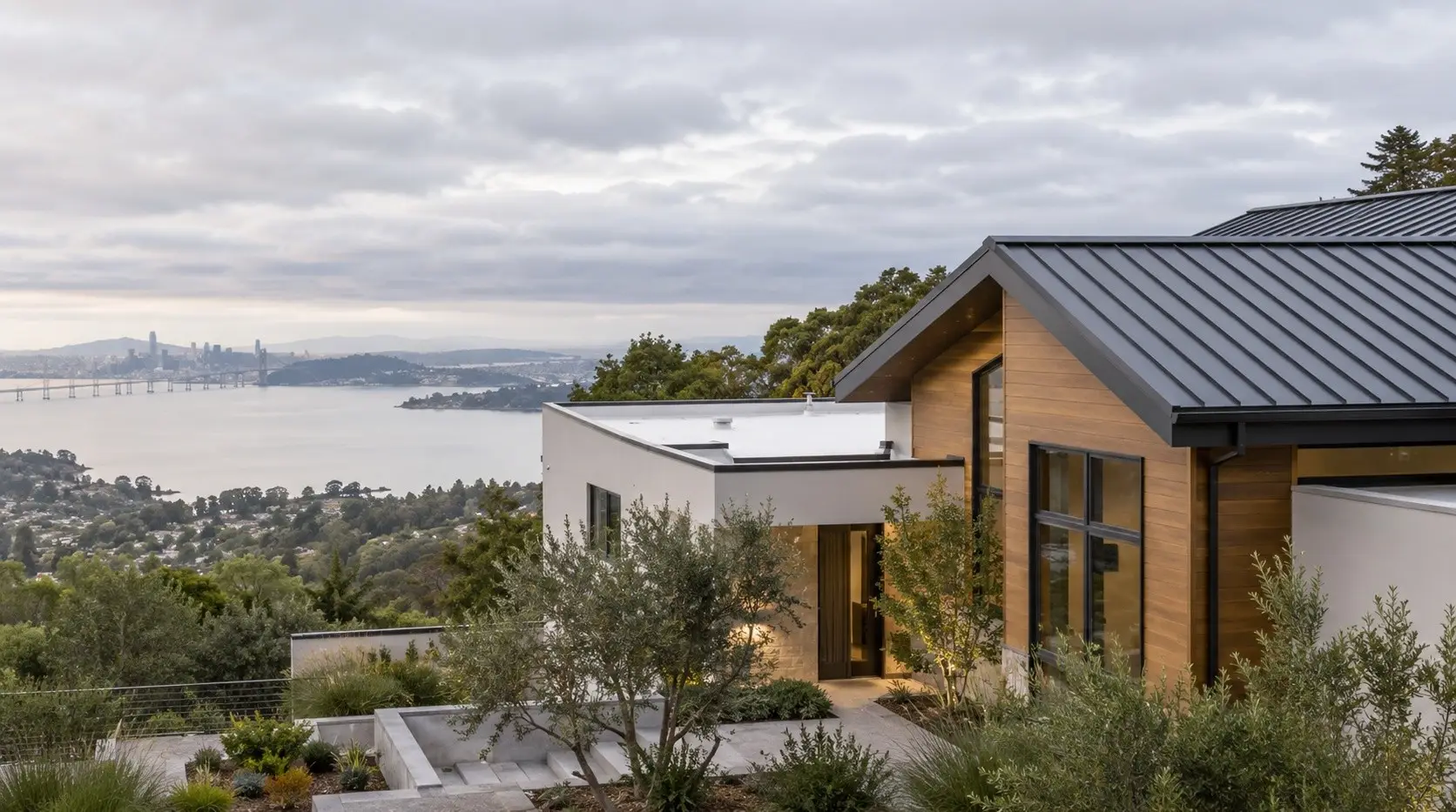
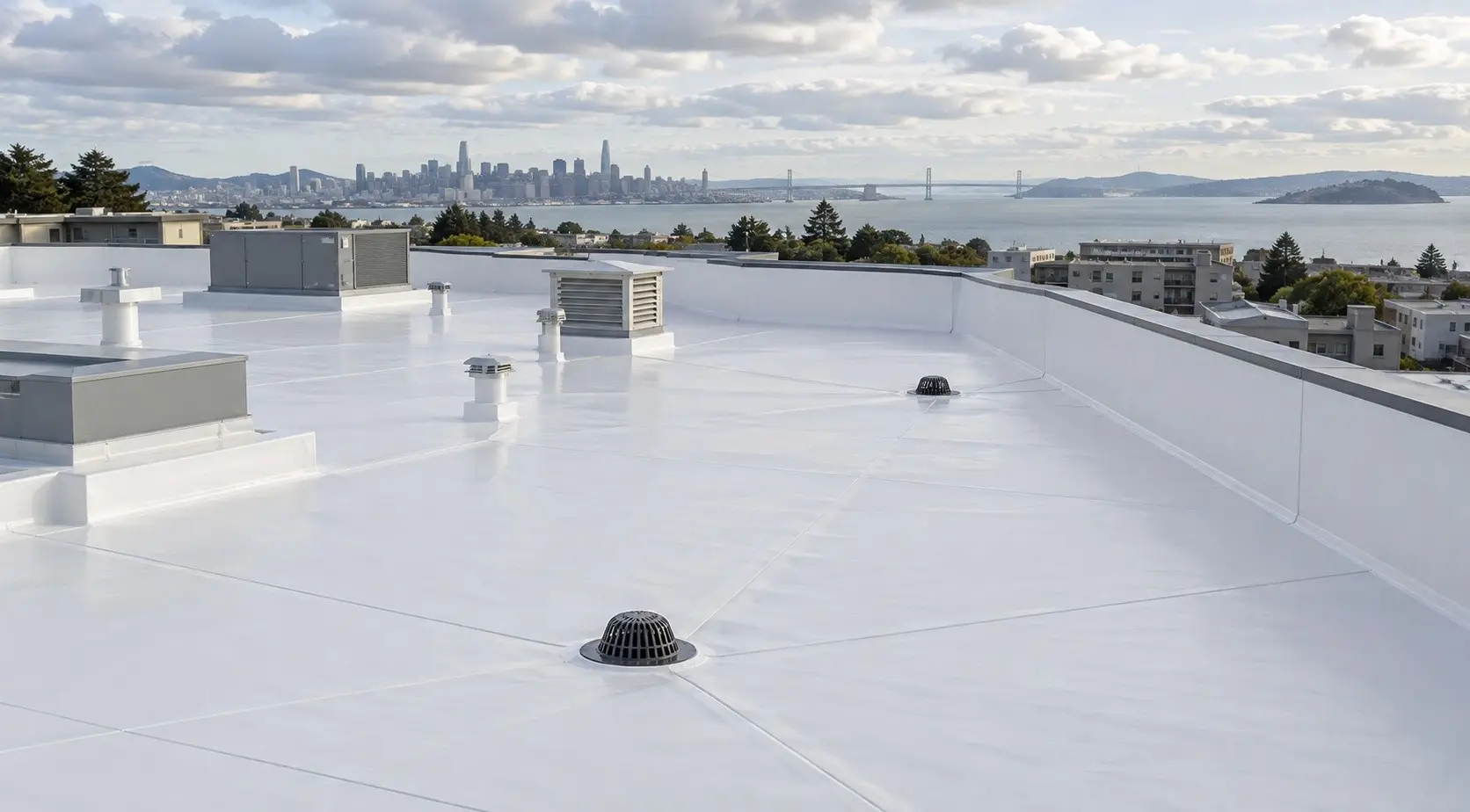
Flat and low-slope roofs rely on membrane continuity, correctly detailed transitions, and a drainage approach that fits the building. Before the wet season, owners considering complete replacement can benefit from defining the roof sections, drainage paths, penetrations, rooftop equipment, and selected membrane system before scheduling becomes more constrained.
Drainage is part of the replacement conversation
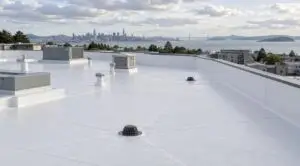
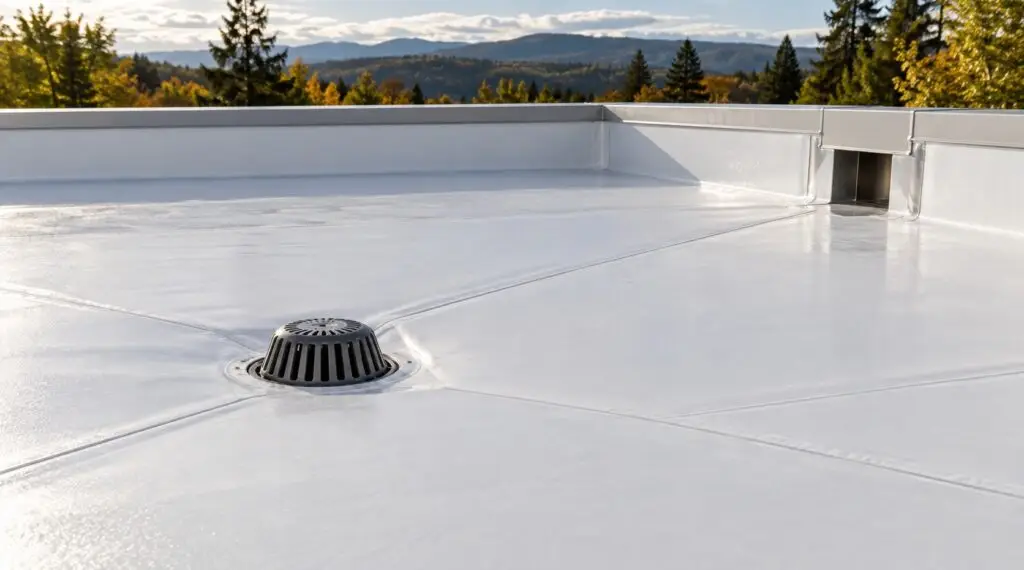
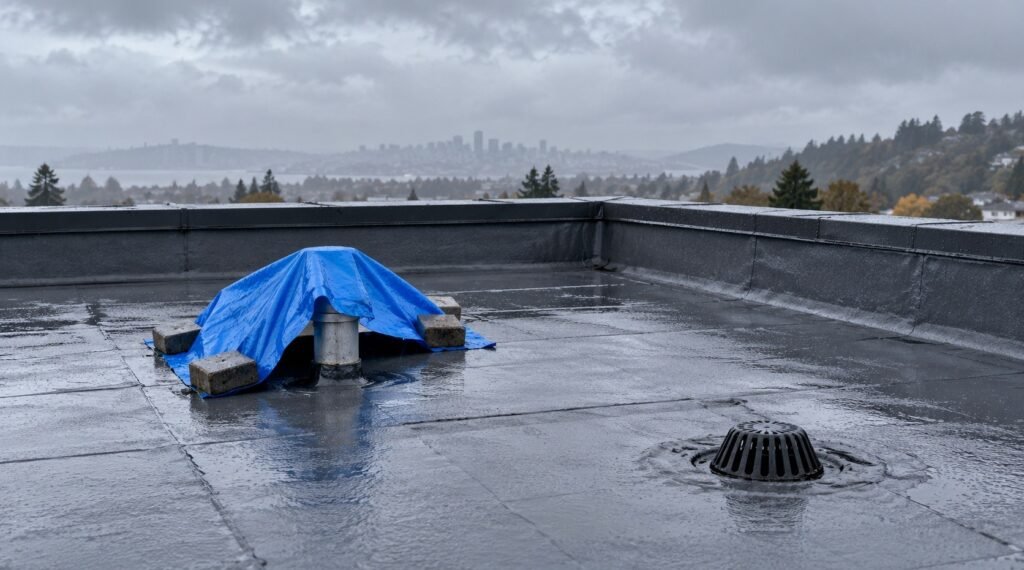
A low-slope roof does not need to be perfectly flat, but water should have a defined path toward drains, scuppers, gutters, or other designed discharge points. The replacement plan may consider existing slope, flow paths, internal drains, perimeter edges, and areas where the roof meets walls or equipment curbs. The exact solution depends on the building and approved scope.
Membrane systems for low-slope roofs
TPO, PVC, and modified bitumen are distinct roofing systems with different installation details and material characteristics. System selection should reflect the roof layout, access, existing assembly, transitions, building use, and project goals. Multi-section roofs may require different systems or coordinated details across slopes and roof levels.
Details that should be planned together
- Roof drains, scuppers, gutters, and downspout connections where applicable
- Parapet walls, coping, perimeter metal, and edge transitions
- HVAC, solar, vents, skylights, and other roof penetrations
- Membrane seams, flashings, terminations, and roof-to-wall transitions
- Access, operational needs, and sequencing for commercial and multi-unit buildings
Continue Planning
- Bay Area El Nino Roof Preparation
- Bay Area El Nino & Wet-Weather Exterior Preparation
- Commercial Roofing
- Schedule an appointment
FAQ
Which membrane is best for a low-slope roof?
The best choice depends on the specific roof and project requirements. TPO, PVC, and modified bitumen are evaluated as complete systems rather than interchangeable surface materials.
Does a new flat roof solve every drainage issue?
Replacement planning can address roofing-system details and relevant drainage considerations. The final result depends on existing geometry, discharge components, and the agreed project scope.
Can a flat roof be replaced during the wet season?
Timing depends on weather, site conditions, roof size, and installation sequence. Planning before the season generally creates more flexibility.
Discuss your low-slope roof replacement
Imperia Roofing and Exteriors provides complete flat and low-slope roofing replacement for Bay Area residential, multi-unit, and commercial properties.