A complete roof replacement is easier to evaluate when the decisions are placed in the right order. The process begins with the property, existing roof, and owner’s goals. It then moves through system selection, scope, documentation, scheduling, installation, and closeout. Exact steps vary, so the proposal should identify what Imperia will provide for the specific property.
1. Define the property and goals
Identify the property type, roof areas, occupancy, known history, concerns, planned improvements, appearance goals, and expected ownership horizon. A residential home, multi-unit property, and commercial building can require different access, coordination, and system decisions.

2. Document the visible roof
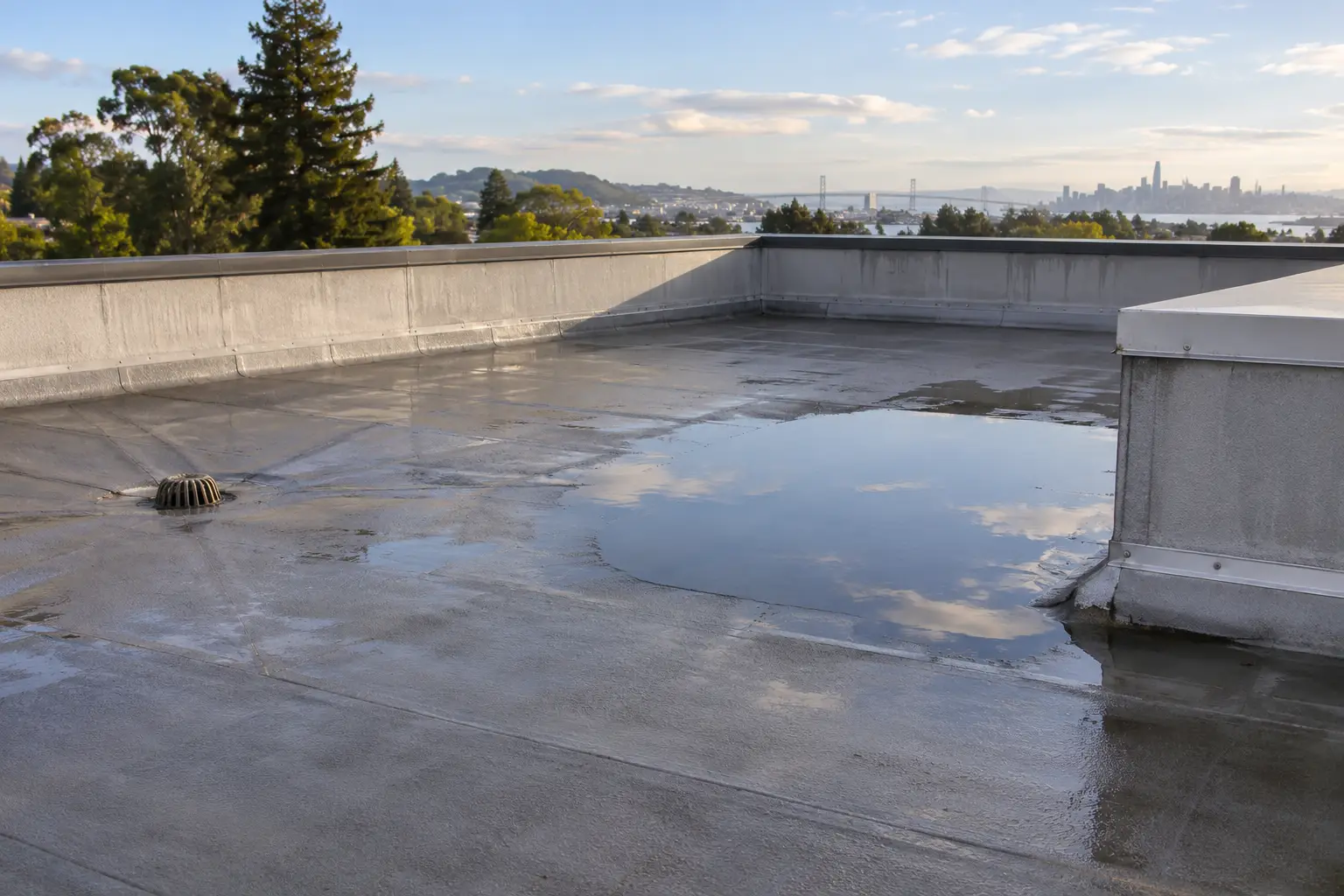
Planning considers the covering or membrane, slope, drainage, edges, valleys, walls, penetrations, rooftop equipment, and visible substrate conditions. This is not a promise that every concealed condition is known before tear-off. The scope should explain how hidden findings will be handled.
3. Compare suitable systems
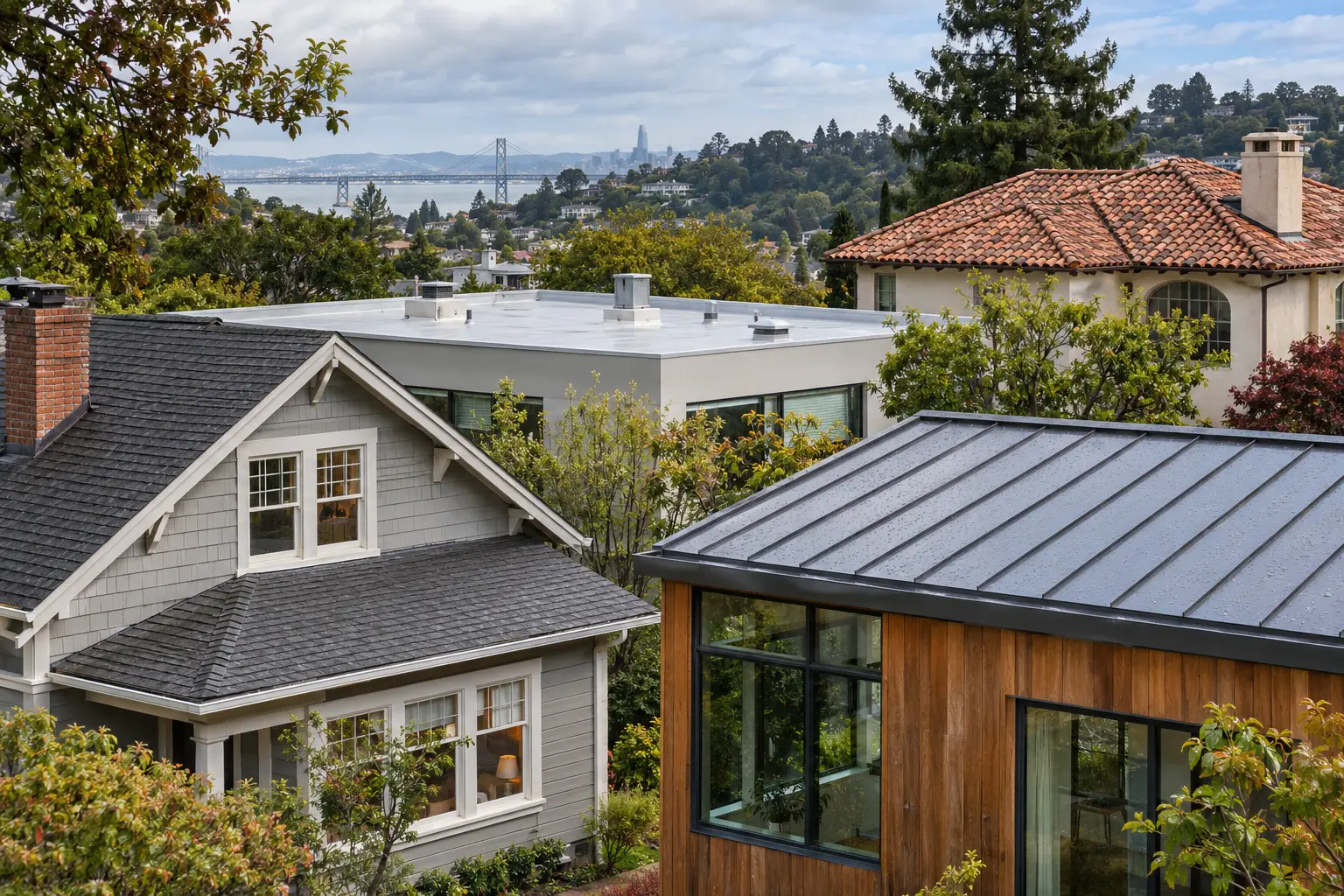
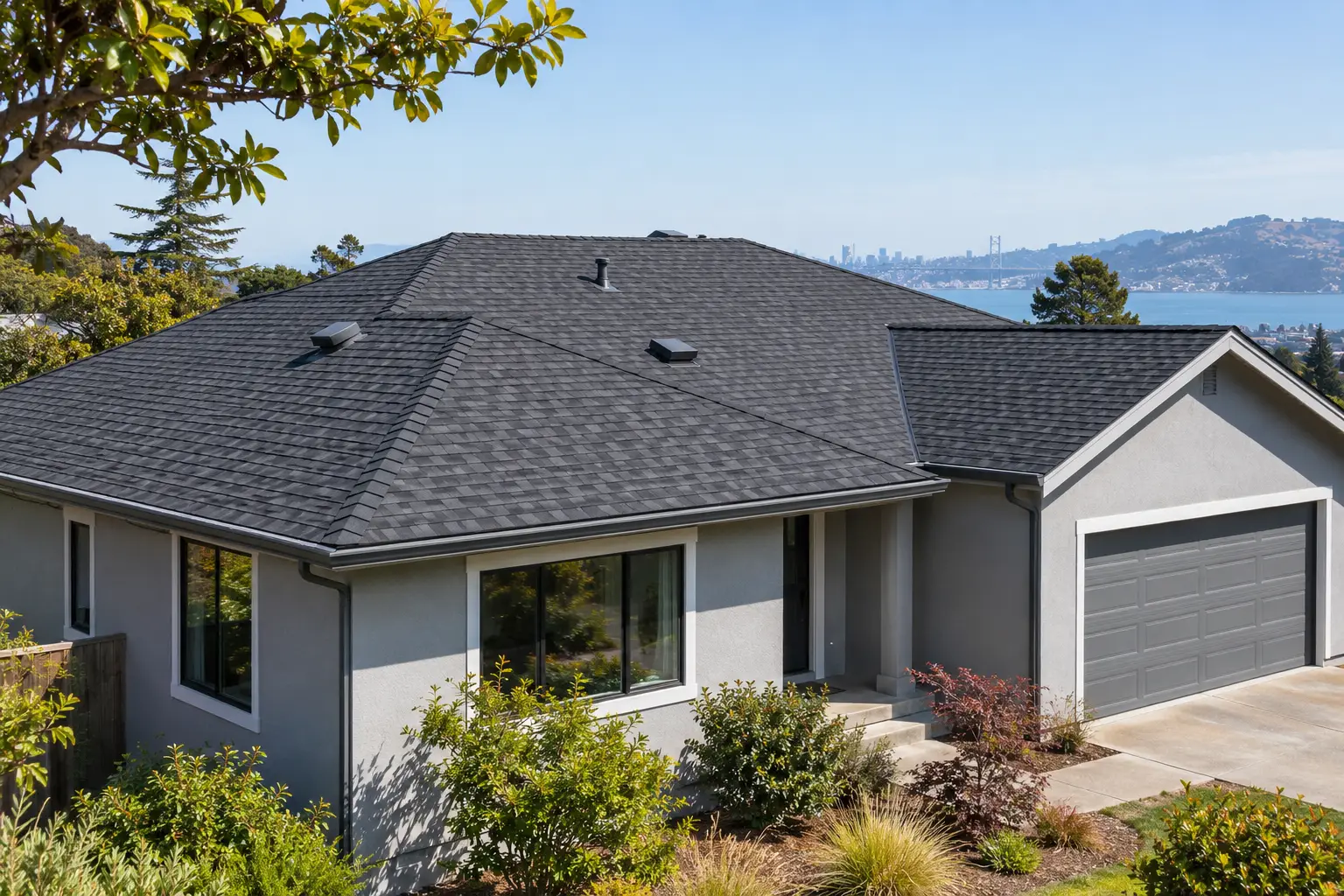
System selection should connect geometry and verified conditions with proposed materials. Sloped-roof discussions may include asphalt, tile, or metal where appropriate. Low-slope properties may involve TPO, PVC, modified bitumen, metal, or another suitable assembly. Exact product details need current manufacturer documentation.
4. Read the scope line by line
A complete scope should identify removal, disposal, substrate preparation, underlayment or insulation where applicable, flashing, penetrations, drainage, ventilation where applicable, installation, cleanup, and the process for changes. Confirm product names, allowances, exclusions, and responsibility for related equipment.
Ask what remains unknown before tear-off
A good scope separates known conditions from concealed ones. It should not pretend that every section of deck or every earlier installation detail is visible. Ask how the contractor will communicate a discovery, provide evidence, price a change, and obtain authorization before proceeding. This protects the decision process without manufacturing certainty.
Coordinate adjoining work
Roof replacement may touch gutters, skylights, solar equipment, mechanical curbs, siding, stucco, masonry, or interior access. Confirm whether those items remain, require temporary removal, or are handled by another party. The transition back to the new roof should have an identified owner and sequence.
5. Coordinate schedule and weather
Seasonal forecasts support broad planning; short-range NWS forecasts guide nearer-term decisions. Neither can guarantee an uninterrupted work period. Scheduling should account for materials, access, occupancy, and any project-specific permit or inspection requirements that are verified in the scope.
6. Confirm documentation and closeout
Photos can record the existing roof, tear-off, deck condition, substrate work, assembly layers, flashing, penetrations, and completed system. Confirm which final photos, product information, permits, inspections, or warranties are included; none should be promised unless they are part of the approved project.
Bring the plan together
Imperia Roofing & Exteriors helps Bay Area homeowners, building owners, and property managers plan complete roof replacement and installation. Schedule an appointment to discuss the property, roof configuration, suitable system, and clear project scope.
Recommended Internal Links
- Roof replacement service: https://imperiare.com/roof-replacement/
- Roofing service: https://imperiare.com/roofing/
- Schedule an appointment: https://imperiare.com/schedule-an-appointment/