The layers that matter after the old roof comes off
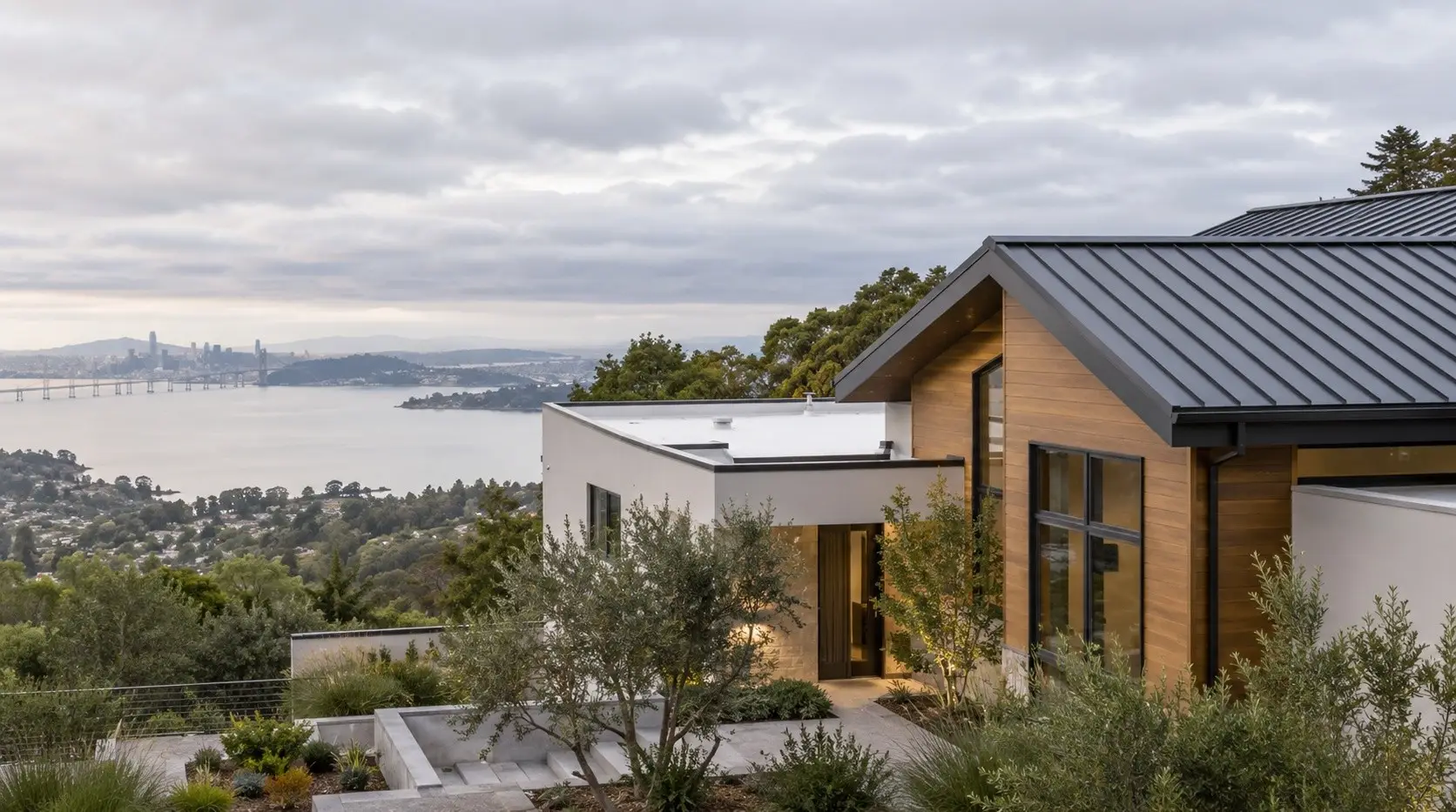
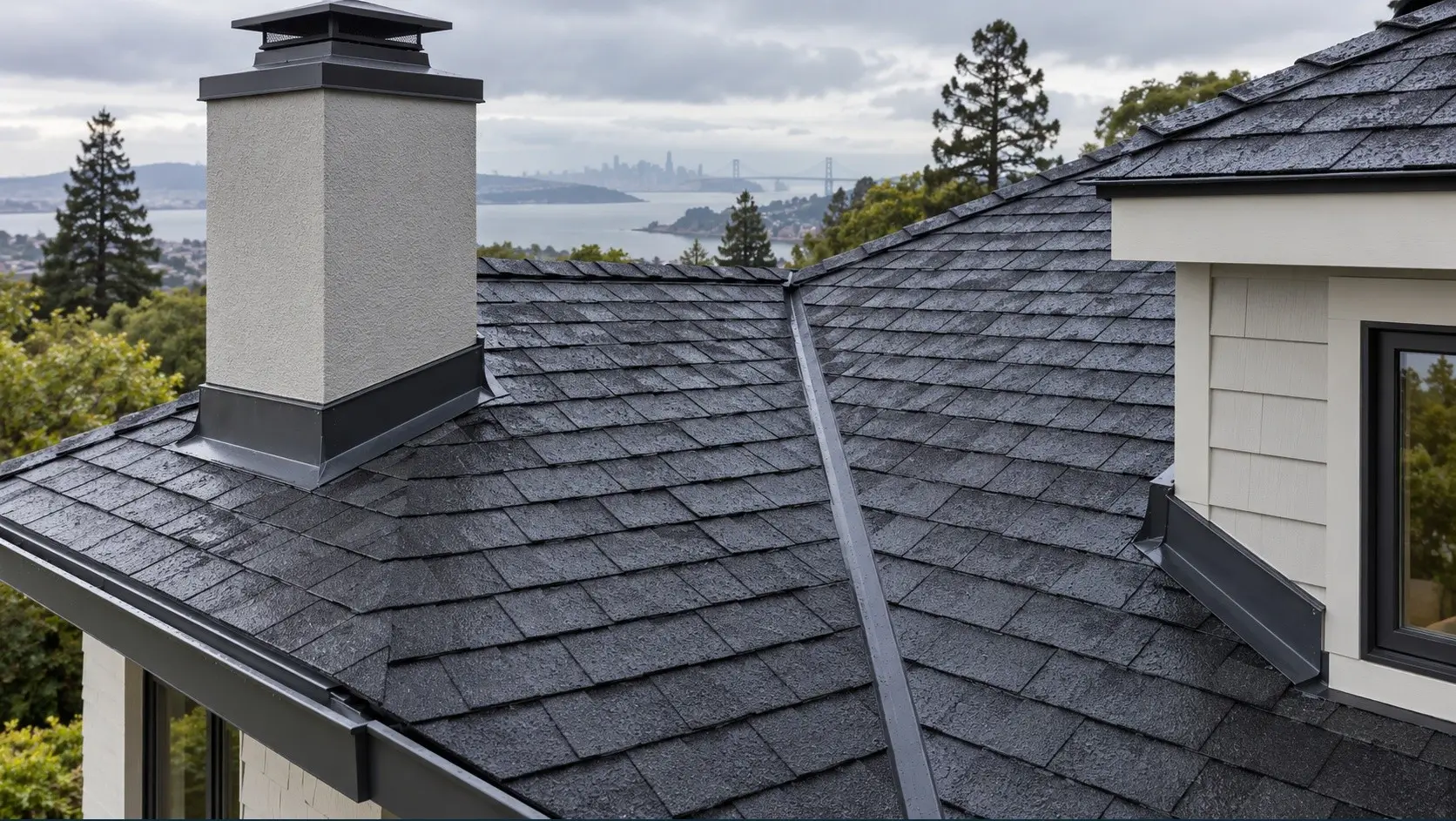
A new roof performs as a coordinated assembly, not only as shingles, tile, metal, or membrane. During a complete roof replacement, the roof covering, underlayment, flashings, valleys, and transition details are planned together so the system can direct water across the roof surface and away from the building where applicable.
Underlayment is a secondary layer
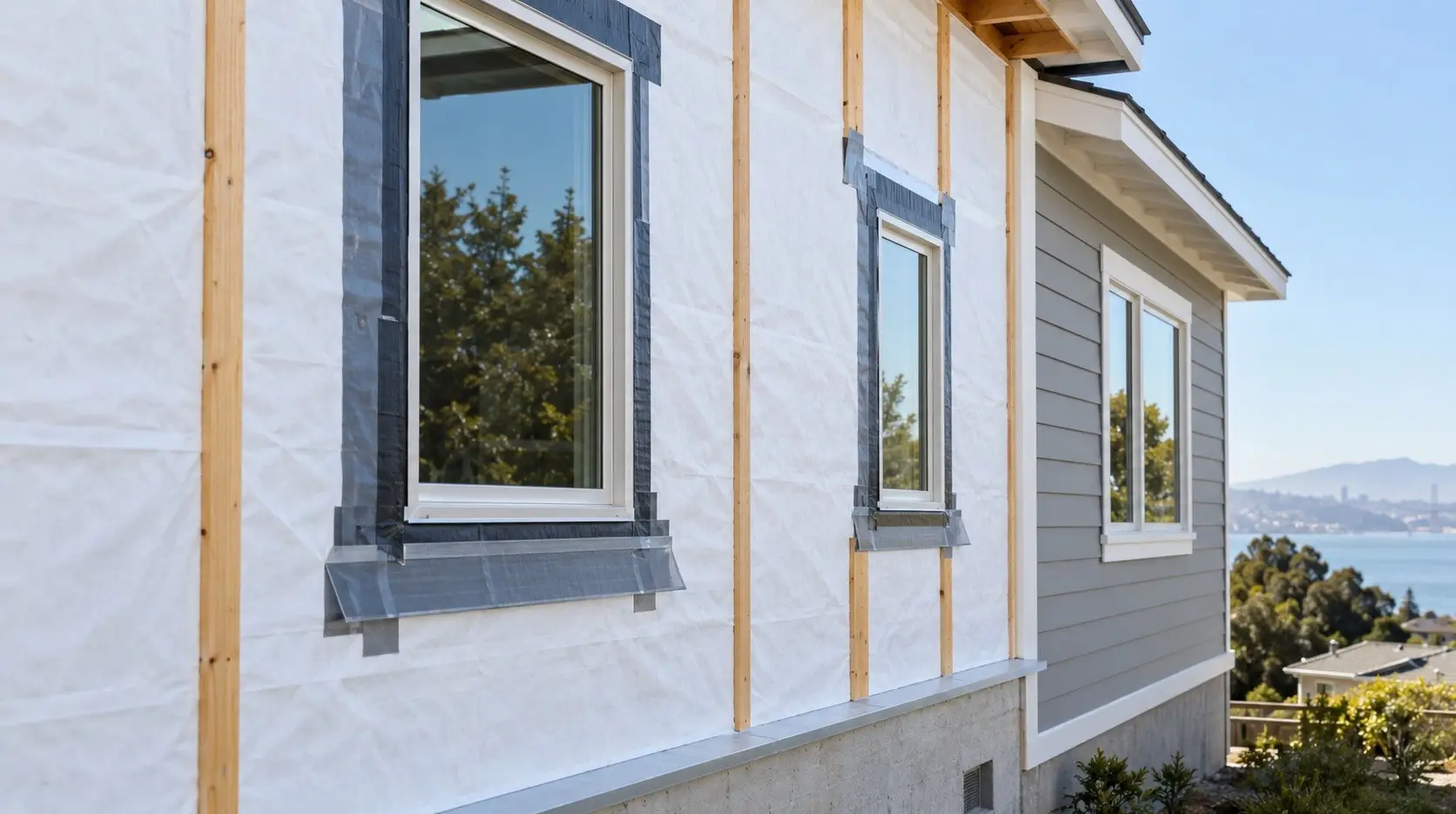
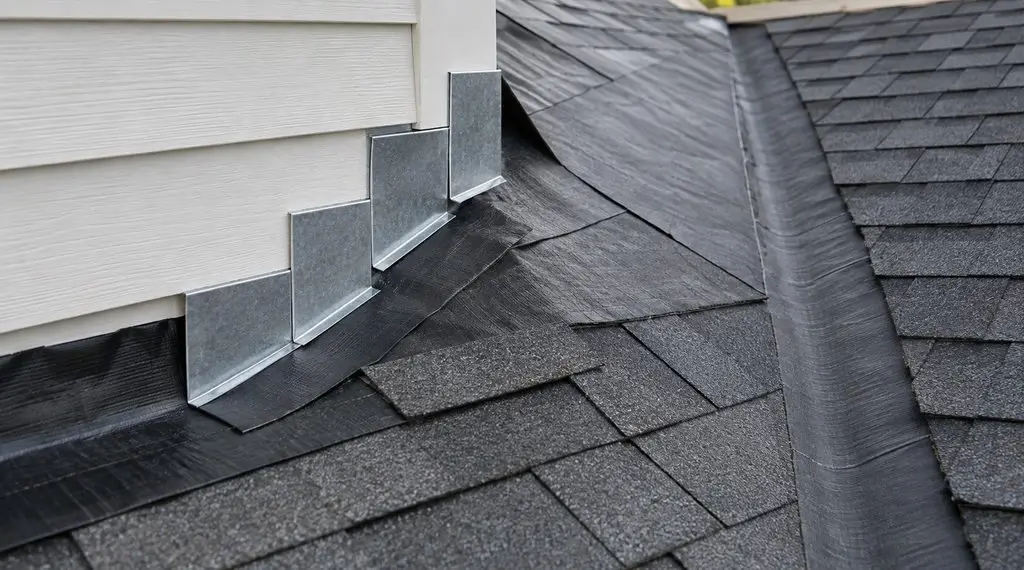
Underlayment sits beneath the visible roofing material. Its role, product type, and placement depend on the selected system, roof slope, and project scope. It is not a substitute for correct roof-covering installation or properly integrated flashing; it is part of the complete water-shedding strategy.
Flashing manages transitions
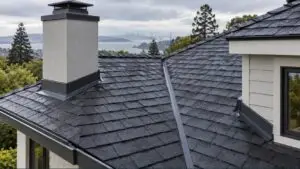
Flashing is used where the roof changes direction or meets another building component. Common locations include walls, chimneys, skylights, roof edges, and penetrations. Valleys need special attention because they carry concentrated water from more than one roof plane.
- Valleys and roof-to-wall connections
- Skylights, chimneys, vents, and pipe penetrations
- Eaves, rakes, ridges, and other roof edges
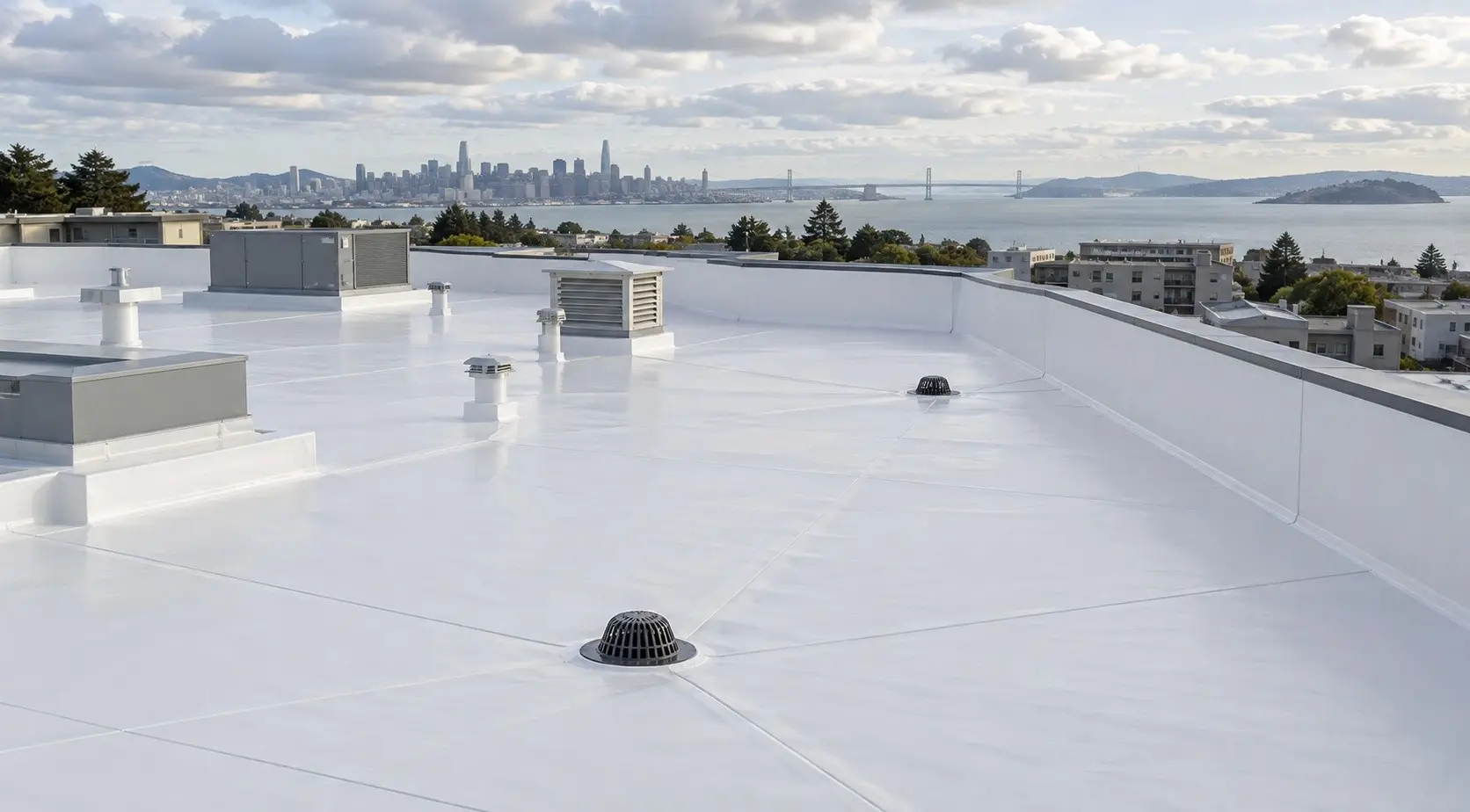
- Low-slope transitions and drainage details where applicable

Why this belongs in replacement planning
A complete replacement creates the opportunity to coordinate these concealed layers and visible materials at the same time. The final details depend on the roof design and approved scope. If concealed deck or substrate conditions are found after removal, they should be explained and approved before additional work proceeds.
Related roofing resources
- Bay Area El Nino Roof Preparation
- Roofing
- Roof Replacement Before the Wet Season
- Complete Roof Replacement and Wet Weather
Continue Planning
- Bay Area El Nino Roof Preparation
- Bay Area El Nino & Wet-Weather Exterior Preparation
- Roof Replacement
- Schedule an appointment
FAQ
Is underlayment the same as a roof covering?
No. Underlayment is an underlying layer; the roof covering is the exterior material designed for the selected roofing system. Both are considered as part of a full replacement.
Why are valleys important in a roof replacement?
Valleys carry runoff from adjoining roof sections. Their details should be coordinated with the selected system and the roof geometry.
Can flashings be addressed without replacing the roof?
This page addresses complete roof replacement planning. The appropriate scope depends on the roof system and the condition of the relevant components.
Plan a complete roofing system
Discuss complete roof replacement options and the system details relevant to your Bay Area property.